If your car clicks but will not start, a weak or discharged battery or a poor battery connection is a common possibility. Rapid repeated clicking often points towards low voltage, while one solid click can involve the starter motor or solenoid. However, neither sound confirms a diagnosis on its own. An alternator usually causes starting problems indirectly by failing to recharge the battery while the engine runs.
The most useful clue is what happens when you try to start the vehicle. Listen to the sound, notice whether the engine turns over, and observe whether the dashboard lights dim. These signs can help narrow down the possibilities, but testing is needed before replacing parts.
Quick Guide: Battery, Starter or Alternator?
Use this comparison to understand what your symptoms might indicate. The same symptom can have several causes, so treat this table as a diagnostic starting point rather than a definitive answer.
| Symptom | Possible causes | Useful next step |
|---|---|---|
| Rapid repeated clicking | Weak or discharged battery; poor battery connection | Arrange battery and terminal testing. |
| One solid click | Starter motor or solenoid fault; weak battery; high-resistance connection | Check battery supply and starter circuit. |
| Clicking with dimming lights | Voltage dropping under load; poor electrical connection | Arrange a battery load test and connection inspection. |
| Starts after a jump-start, then fails later | Weak battery, charging-system problem or electrical drain | Test the battery and charging system. |
| No click and no cranking | Battery supply, starter control circuit, fuse or relay, interlock or immobiliser | Check the owner's manual and arrange diagnosis if the problem persists. |
| Engine cranks normally but does not start | Fuel, ignition, engine-management or security-system issue | Arrange appropriate mechanical diagnosis. |
Safety first: If you notice smoke, a burning smell, a swollen or leaking battery, or damaged wiring, stop trying to start the vehicle. Never jump-start a damaged, swollen, leaking or frozen battery. Follow the vehicle manufacturer's instructions and seek professional assistance if you are unsure.
1. A Weak or Flat Battery
The starter motor needs far more current than interior lights or the dashboard. A battery may still power accessories but lack the current needed to crank the engine. This explains why lights can work even when the car will not start.
Common clues include rapid clicking, slow cranking, dashboard lights dimming during a start attempt, or a vehicle that starts after a suitable jump-start. Battery age, repeated short journeys, cold conditions and electrical accessories left on can contribute to a discharged battery.
What should you do?
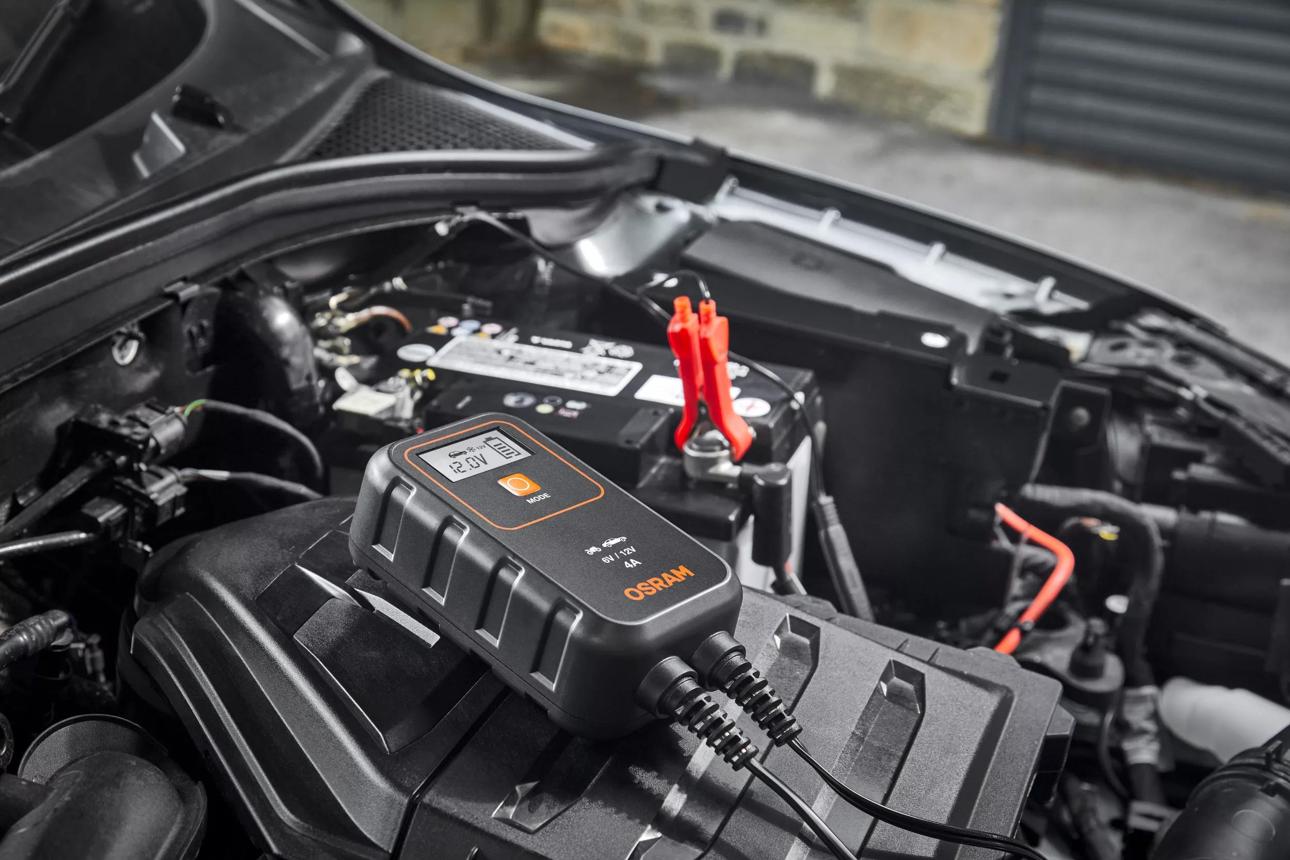
Avoid repeated or prolonged start attempts. Arrange a battery test and have the terminals and connections checked. If the battery is discharged but remains serviceable, charging may help. If it fails testing or repeatedly loses charge, investigate the cause before deciding on replacement.
Learn more about the car battery testing service if you need help determining whether the battery is contributing to the problem.
2. Loose or Corroded Battery Connections
A charged battery may still be unable to deliver enough current through a loose, dirty or corroded connection. Poor connections can cause clicking, intermittent starting, or lights that work until you attempt to crank the engine.
The issue may also involve an earth connection or a damaged cable. Replacing the battery without checking these components may not solve the starting problem.
What should you do?
With the engine switched off, look for obvious signs of corrosion or visible cable damage without touching exposed conductors. Do not bridge battery terminals with a tool or attempt repairs unless you know how to do so safely. Have the terminals, cables and earth points inspected and tested.
3. A Faulty Starter Motor or Solenoid
The starter motor turns the engine so combustion can begin. When the starter solenoid engages but the motor does not turn the engine, you may hear a single solid click. However, low battery voltage and poor electrical connections can produce similar symptoms.
Other possible clues include intermittent starting, a starter that sometimes works and sometimes does not, or clicking despite a battery that has been confirmed to supply adequate power.
What should you do?
Have the battery and connections checked first. If the electrical supply is adequate, the starter motor, solenoid and related control circuit may need further testing. Do not buy a replacement starter motor based only on the sound.
If the starter is confirmed to be faulty, review the starter motor replacement service and confirm vehicle suitability and service availability before arranging work.
4. An Alternator or Charging-System Problem
The alternator helps supply electrical power and recharge the battery while the engine runs. If it does not charge correctly, the battery may gradually become discharged. The vehicle might continue to run for a while before later clicking or refusing to start.
Possible warning signs include a battery or charging-system warning light, dimming electrical systems, or repeated flat-battery episodes. These symptoms do not prove that the alternator is faulty; a weak battery, damaged wiring, a belt problem or another charging-system fault can produce similar issues.
What should you do?
Have the battery and charging system assessed together. A jump-start may temporarily get a suitable vehicle running, but it will not repair a charging fault. If the charging warning remains illuminated or the vehicle behaves abnormally after starting, stop safely and seek appropriate assistance rather than assuming it is safe to continue driving.
If testing identifies an alternator fault, review the alternator replacement service and confirm that the repair is suitable for your vehicle.
5. Other Starting-Circuit or Security Faults
The battery and starter are not the only components that can prevent a vehicle from starting. Starter relays, fuses, wiring, earth connections, gear-selector or clutch switches and immobilisers can also interrupt the starting process.
If there is no click at all, the key is not recognised, or a security warning appears, the cause may lie outside the battery itself.
What should you do?
Check the owner's manual for basic gear-selector and key-fob instructions. For an automatic vehicle, confirm that the selector is in Park and that the parking brake is applied. For a manual vehicle, follow the manufacturer's clutch-start procedure. Do not bypass safety switches or fit a higher-rated fuse. If the problem continues, arrange qualified electrical diagnosis.
Battery or Starter: How Can You Tell the Difference?
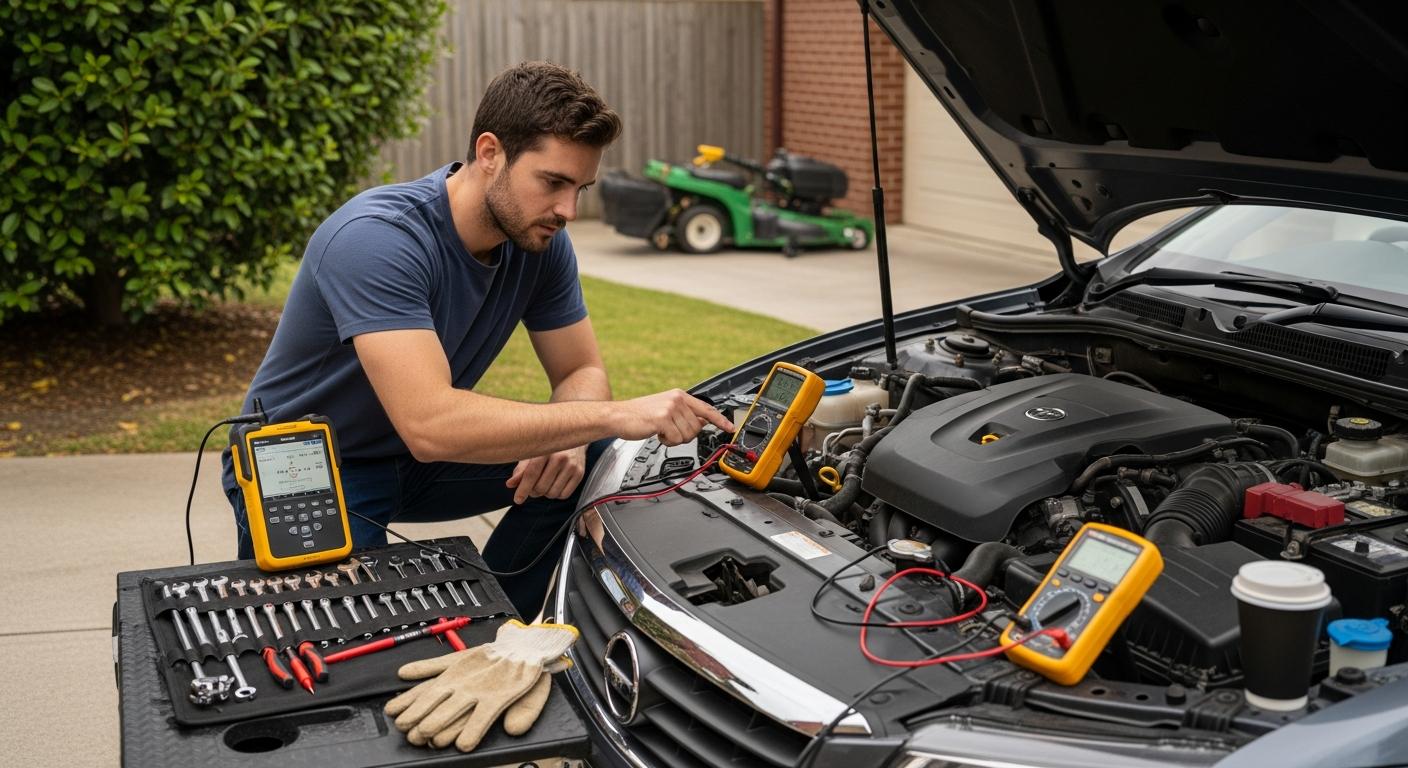
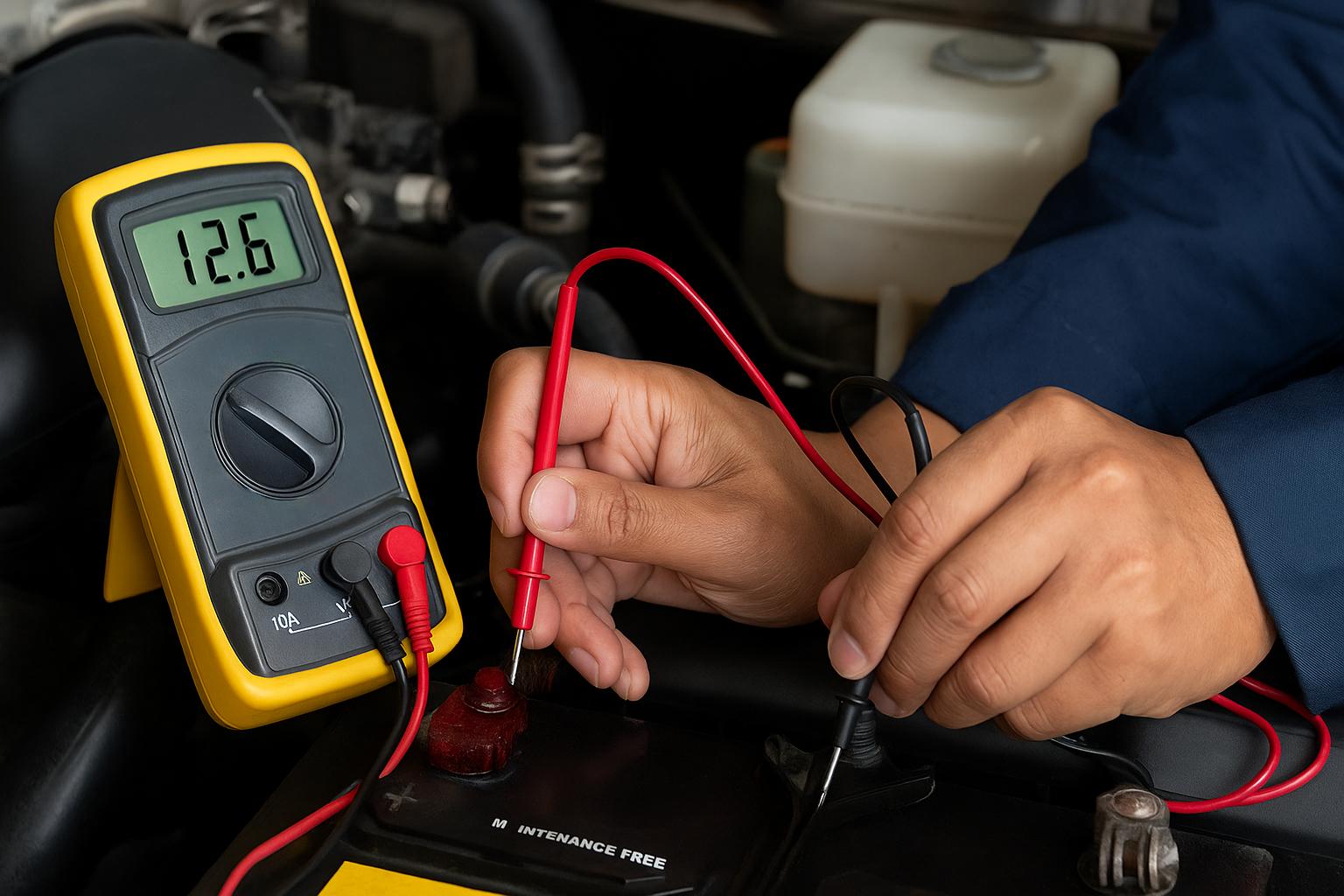
The clicking sound is a clue, not proof. A battery test, terminal inspection and starting-circuit checks help distinguish a low-voltage problem from a starter fault. If the engine cranks at normal speed but does not fire, investigate fuel, ignition, engine-management or security-system causes instead of assuming the starter is faulty.
| Diagnostic check | What it helps establish | Why it matters |
|---|---|---|
| Battery condition and load test | Whether the battery can supply the required starting current | Helps identify a weak or discharged battery. |
| Terminal and earth inspection | Whether current may be restricted by poor connections | Helps avoid replacing a serviceable battery unnecessarily. |
| Charging-system test | Whether the battery is being recharged correctly | Helps investigate repeated flat-battery incidents. |
| Starter-circuit diagnosis | Whether the starter, solenoid or control circuit may be faulty | Helps identify the cause of a no-crank condition. |
| Further engine diagnosis | Whether another system is preventing the engine from starting | Relevant when the engine cranks normally but does not run. |
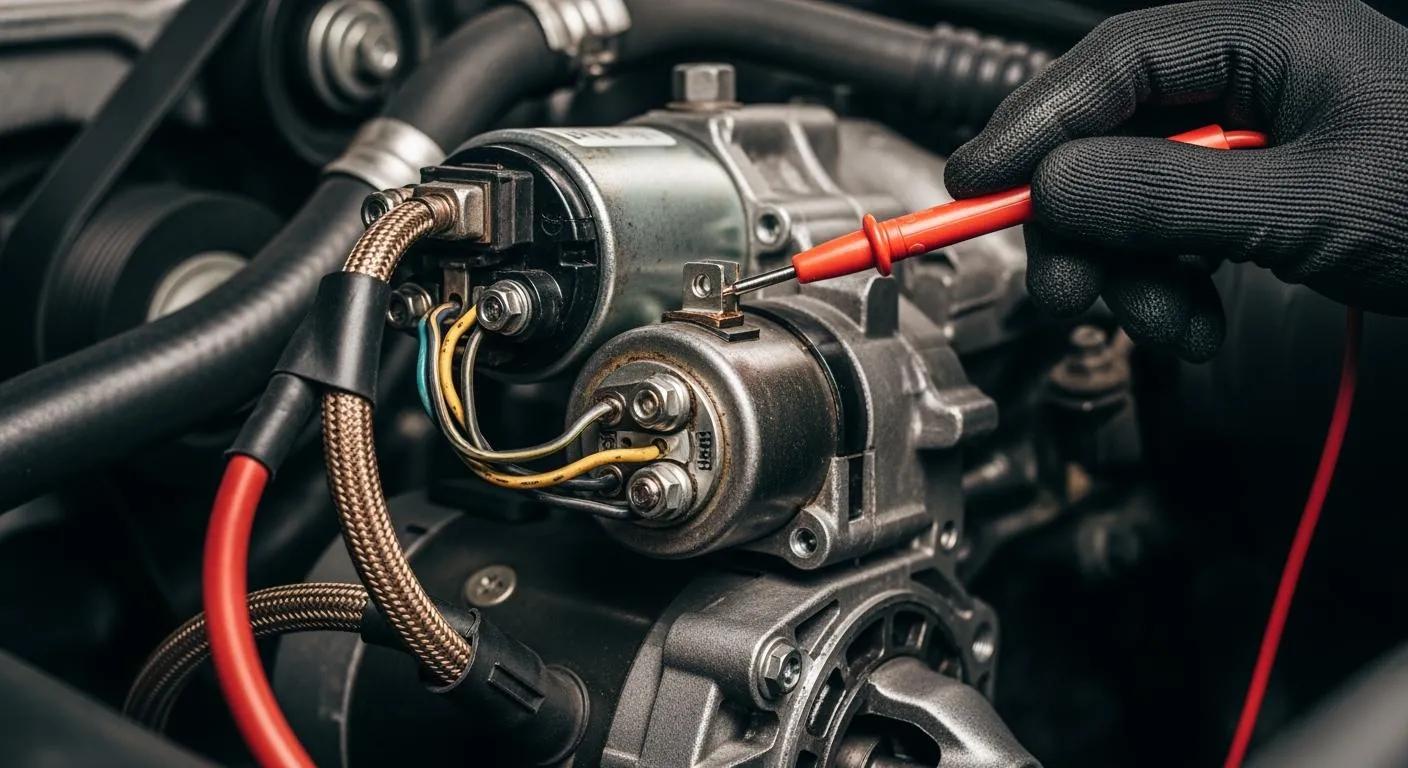
What Should You Check Before Requesting Assistance?
- Make the vehicle safe. Apply the parking brake and secure the vehicle in Park or Neutral as appropriate.
- Identify the sound. Note whether you hear rapid clicking, one click, silence or normal engine cranking.
- Observe the dashboard. Record any battery, charging-system or security warnings.
- Check for visible warning signs. Stop if you notice smoke, burning smells, battery leakage or damaged wiring.
- Follow the owner's manual. Check basic key-fob, gear-selector or clutch-start instructions.
- Test before replacing parts. Battery, connection and starting-circuit checks can help avoid unnecessary replacement costs.
Do not repeatedly try to start the vehicle if it is not responding. Repeated attempts can further discharge the battery and may overheat components. If you are unsure about jump-starting, seek professional help.
Can a Jump-Start Solve the Problem?
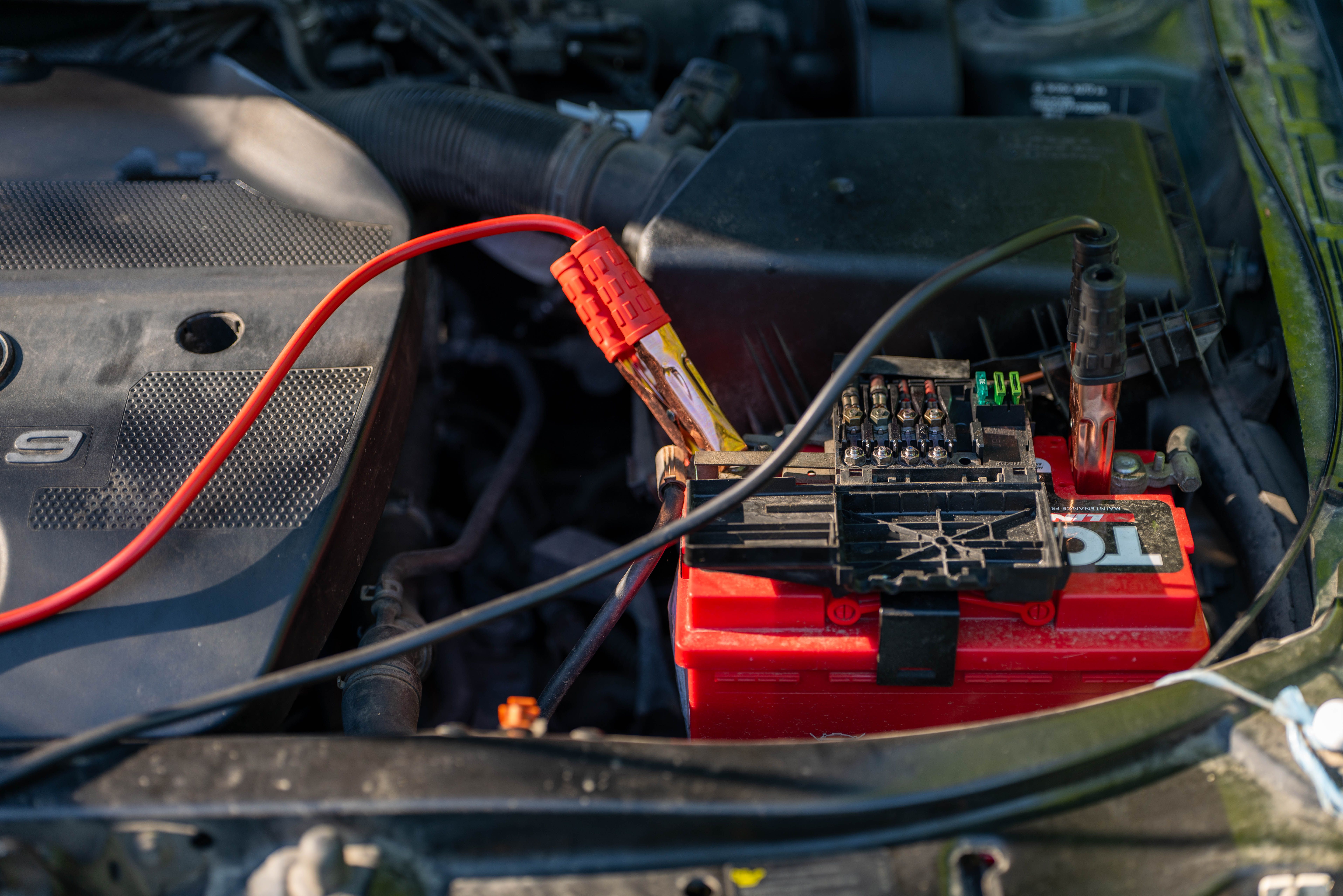
A jump-start may help if the battery is discharged and both the vehicle and battery are suitable for jump-starting. However, it does not repair a failed battery, a faulty starter, damaged wiring or an engine that cranks normally but does not fire.
If the vehicle starts after a jump, the next step is to establish why the battery became discharged. A battery test and charging-system check may be appropriate, especially if the same problem has happened more than once.
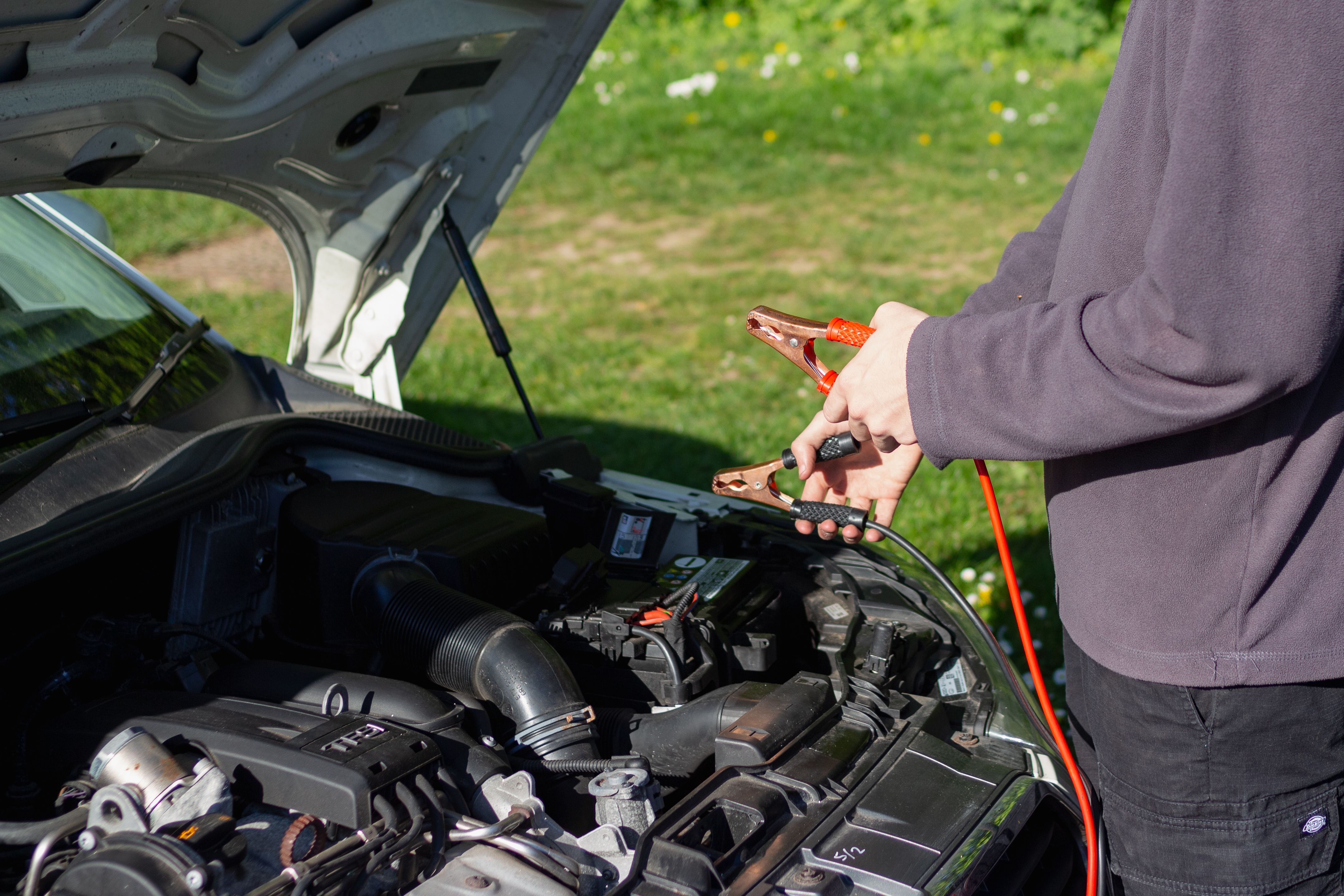
Always follow the manufacturer's jump-start procedure and use suitable equipment. Incorrect connections can cause injury or damage vehicle electronics. Do not attempt to jump-start a damaged, swollen, leaking or frozen battery.
If you need help with a vehicle that will not start, you can review the jump-start assistance service and confirm service availability for your location.
When Should You Request Mobile Car Battery Assistance?
Consider requesting assistance if your vehicle will not crank, the battery may be discharged, or you are stranded without safe access to testing equipment. Depending on the fault, a suitable service may involve battery testing, battery replacement, jump-start assistance or referral for further mechanical diagnosis.
Mobile Car Services is the brand used for these mobile automotive service requests. For customers in Melbourne West, confirm location coverage, vehicle suitability, parts availability and appointment availability before work is arranged.
Explore the battery testing service, car battery replacement service or jump-start assistance. You can also request a service to discuss the symptoms and confirm availability.
Frequently Asked Questions
Why does my car click rapidly but not start?
Rapid clicking often occurs when battery voltage is too low to operate the starter or when a battery connection is poor. A battery and connection test can help confirm the cause.
Does one click mean the starter motor is bad?
Not always. A weak battery, poor connection, starter solenoid or starter motor can cause a single click. Test the battery supply and connections before replacing the starter.
Can an alternator make my car click and not start?
An alternator fault can leave the battery undercharged, eventually causing clicking and a no-start condition. Battery and charging-system tests help distinguish the possible causes.
Will a jump-start fix the problem permanently?
Only if the issue is a discharged battery and the underlying battery and charging system are serviceable. If the fault returns, further testing is needed to identify the cause.
Should I keep trying to start the car?
Avoid prolonged or repeated attempts because they can drain the battery further and may overheat components. Stop if you notice smoke, a burning smell, battery leakage or damaged wiring.
Can I drive after jump-starting?
Starting the vehicle does not guarantee that it is safe to continue driving. If a charging warning remains illuminated or the engine behaves abnormally, stop safely and seek assistance. Have the battery and charging system checked if the battery has repeatedly discharged.
Need Help With a Car That Clicks but Won’t Start?
If your car clicks but the engine will not start, describe the sound and any dashboard warnings when requesting assistance. Battery and connection testing can help establish whether the battery is discharged or failing, while further checks can identify a starter, charging-system or other vehicle fault.
Use the verified contact details and booking information on the website to enquire about your vehicle and service availability. Include the vehicle's make, model, year, location and symptoms so the service request can be reviewed.
Symptoms in this guide are general indicators, not a definitive diagnosis. Vehicle designs and starting procedures vary. Follow the manufacturer's instructions and seek qualified assistance where necessary.