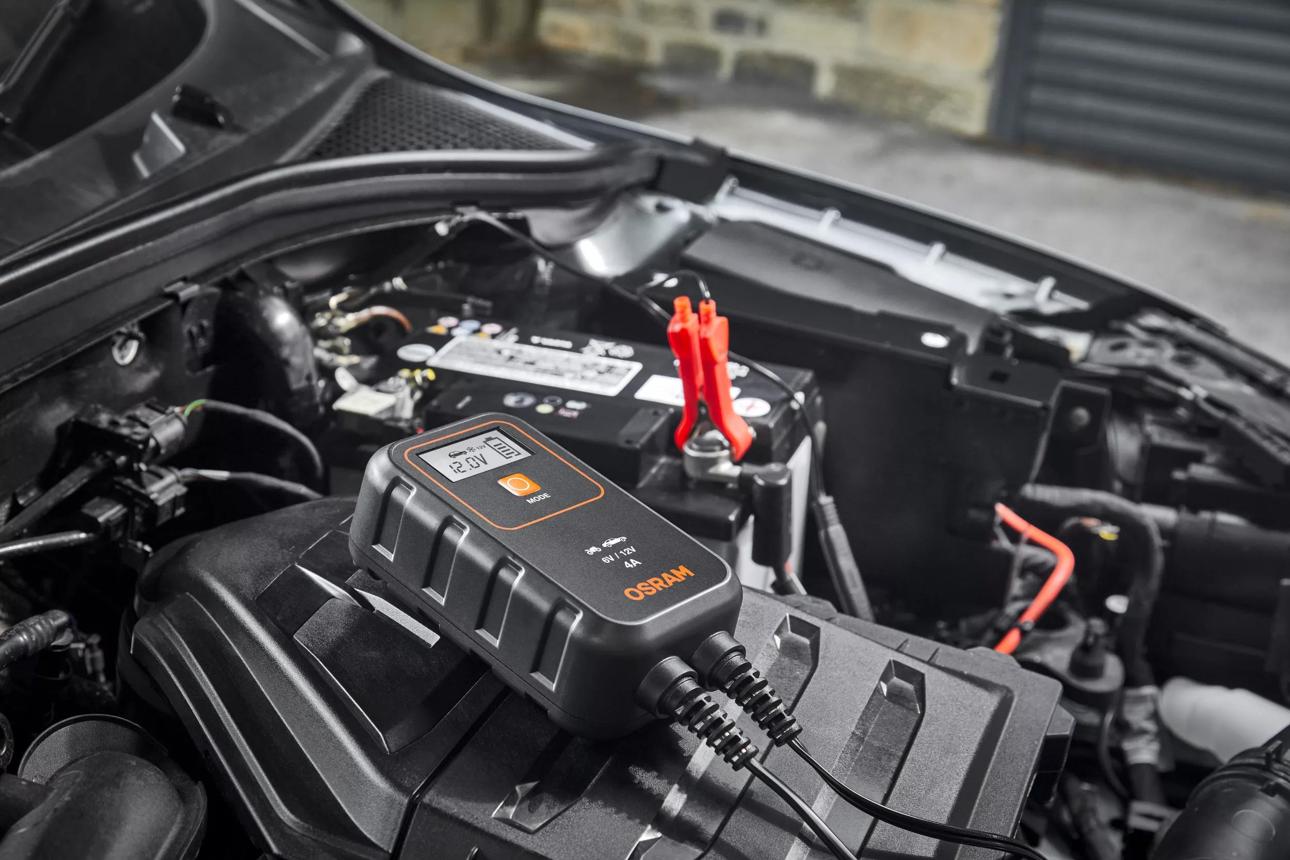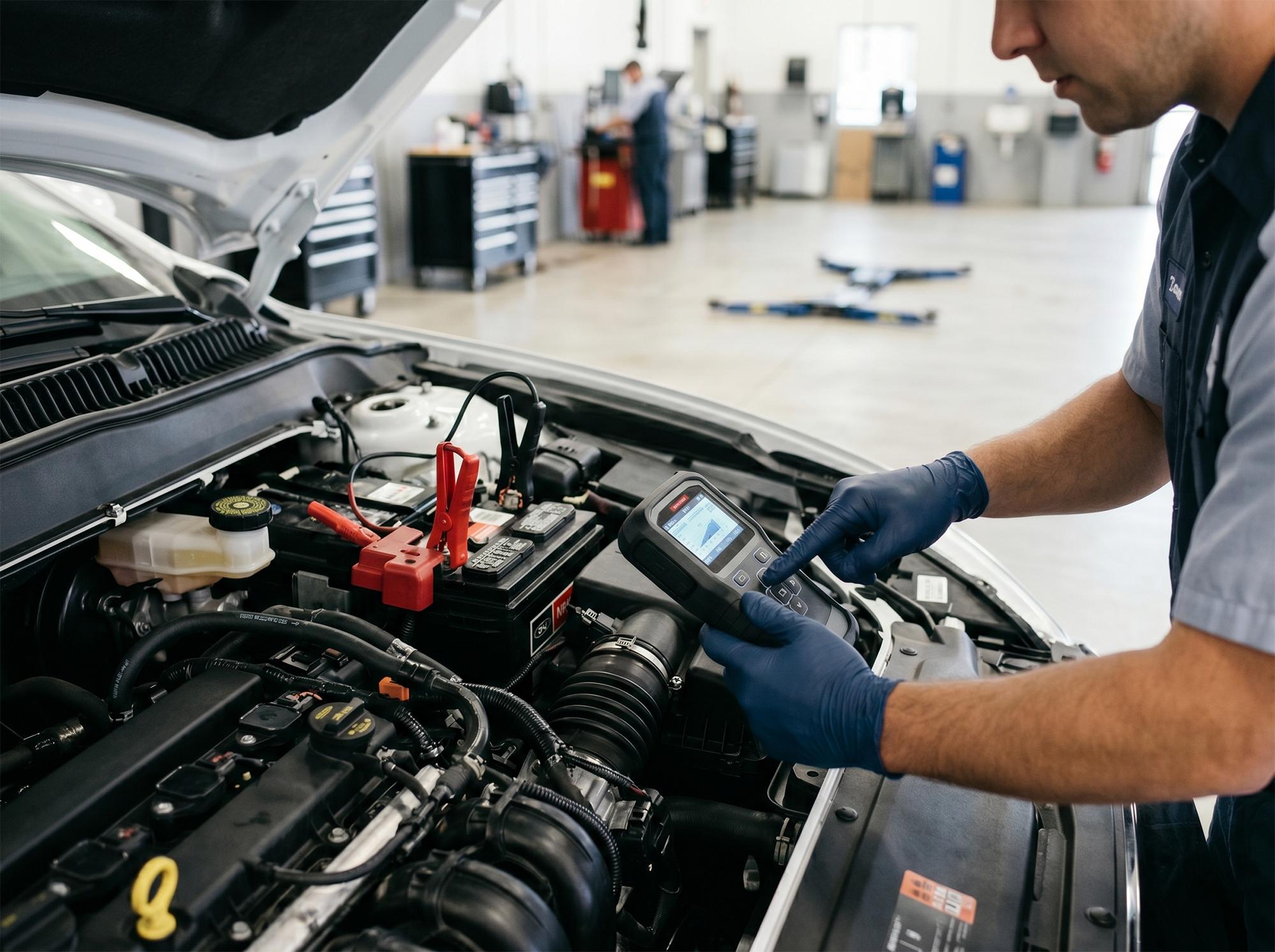
A car battery can show warning signs before it loses the ability to start your vehicle, although some batteries fail with little or no warning. Slow engine cranking, repeated flat-battery incidents, dim lights and inconsistent electrical performance are all reasons to investigate the battery and charging system.
These symptoms do not automatically mean that your battery needs replacing. Loose or corroded terminals, a starter motor fault, an alternator problem or an electrical drain can produce similar issues. Proper testing helps identify the likely cause before you spend money on a replacement.
Quick guide: 9 warning signs of a failing car battery
Use this table to identify common symptoms and understand what to do next. If you notice several symptoms together, arrange an inspection rather than waiting for the vehicle to stop starting.
| Warning sign | What it may indicate | Recommended action |
|---|---|---|
| 1. Slow engine cranking | Low charge, reduced battery capacity or a poor connection | Arrange a battery and terminal test |
| 2. Clicking when starting | Low voltage, a poor connection or a starter-circuit issue | Have the battery and starting system checked |
| 3. Repeated flat battery | Battery deterioration, electrical drain or charging-system fault | Test the battery and charging system |
| 4. Frequent jump-starts | A battery that cannot maintain charge or an unresolved fault | Investigate the underlying cause |
| 5. Lights dim during cranking | Voltage dropping under starter load | Check battery condition and connections |
| 6. Battery or charging warning light | A possible charging-system or electrical fault | Follow the vehicle manual and arrange prompt checks |
| 7. Electrical accessories behave inconsistently | Low voltage, poor connections or another electrical issue | Arrange electrical-system testing |
| 8. Battery is several years old | Possible age-related loss of capacity | Test its condition rather than relying on age alone |
| 9. Swollen, cracked or leaking battery | Physical damage or a potentially hazardous battery condition | Keep clear and seek professional assistance |
1. Slow engine cranking
One of the most recognisable signs of a weak battery is an engine that turns over more slowly than usual. Instead of starting promptly, the starter may sound sluggish or struggle to turn the engine.
This can happen when the battery has a low state of charge or has lost some of its ability to deliver starting current. Loose or corroded battery connections and starter motor problems can cause similar symptoms, so the sound alone cannot confirm the diagnosis.
What to do: Arrange a battery condition test and have the terminals and starting circuit inspected if necessary. If the vehicle repeatedly struggles to start, do not assume that simply charging the battery will solve the underlying issue.
2. Clicking when you try to start the car
Rapid clicking during a starting attempt can occur when the available voltage is insufficient to operate the starter properly. A weak battery or poor electrical connection may be responsible.
A single click can have different causes, including a starter motor or starter-circuit problem. Pay attention to whether the dashboard lights dim, whether the engine turns over and whether the symptom happens consistently.
What to do: Have the battery, connections and starting system checked. Avoid repeated, prolonged starting attempts, which can put additional strain on the battery and starter.
3. The battery keeps going flat
If you regularly return to a car that will not start because the battery is flat, investigate the reason rather than repeatedly recharging or replacing the battery without diagnosis.
Possible causes include an ageing battery, a charging-system fault, an electrical component drawing power while the vehicle is parked, or frequent short journeys that do not allow enough time for the battery to recharge.
What to do: Request a battery test and, where appropriate, charging-system and parasitic-drain checks. Finding the underlying cause is important because a new battery may also go flat if the original problem remains.
4. You need frequent jump-starts
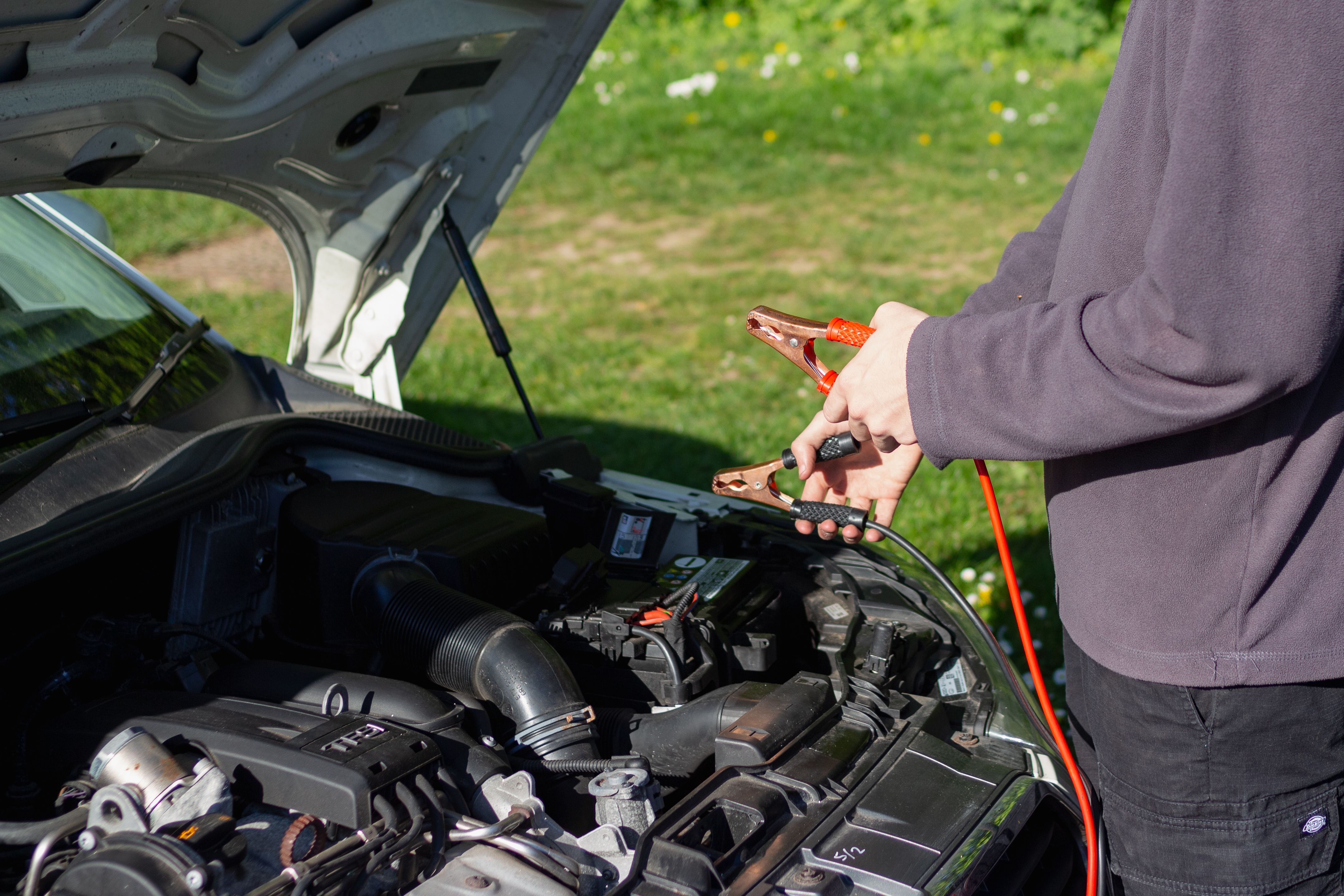
A jump-start can help get a vehicle running when the battery does not have enough charge, but needing one repeatedly is a warning that the problem has not been resolved.
The battery may have deteriorated, the charging system may not be replenishing it properly, or an electrical drain may be occurring while the car is switched off. Repeated jump-starts are not a substitute for identifying the cause.
What to do: Arrange testing as soon as practical. Follow your vehicle manufacturer's jump-starting instructions, and do not attempt to jump-start a battery that is swollen, cracked, leaking or otherwise visibly damaged.
5. Headlights or dashboard lights dim during starting
Some change in light brightness can occur while the starter draws substantial current. However, pronounced dimming, especially when combined with slow cranking or repeated starting trouble, may indicate low battery charge, reduced battery capacity or a poor connection.
Lights that remain unusually dim while the engine is running can point towards a charging-system or wider electrical problem. The exact cause depends on the vehicle and the conditions in which the symptom appears.
What to do: Arrange a battery and charging-system assessment if the dimming is persistent, pronounced or accompanied by other electrical symptoms.
6. The battery or charging warning light comes on
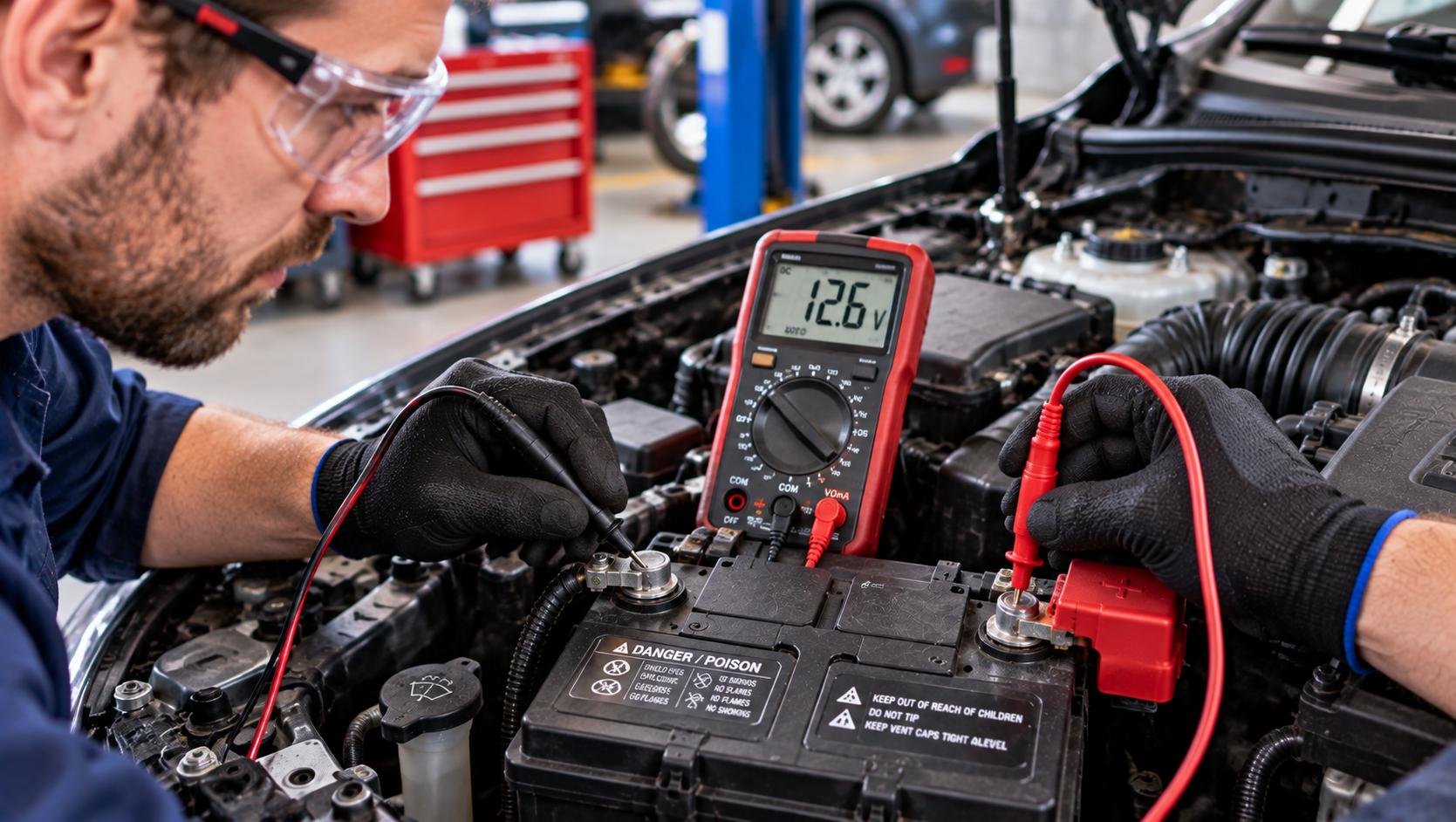
A battery-shaped warning symbol on the dashboard does not necessarily mean that the battery itself needs replacing. Depending on the vehicle, it may indicate that the charging system is not operating as expected.
Possible causes include an alternator problem, a belt-related issue on vehicles that use a belt-driven alternator, damaged wiring or another charging-system fault. The warning should not be ignored simply because the engine is still running.
What to do: Follow the instructions in your owner's manual and arrange prompt professional assessment. If the warning appears while driving alongside unusual electrical behaviour, overheating or other serious symptoms, stop somewhere safe and seek roadside assistance as appropriate.
7. Electrical accessories behave inconsistently
Unusual electrical behaviour can include interior lights flickering, power accessories operating inconsistently or electronic systems resetting unexpectedly. Low voltage or poor electrical connections can contribute to these symptoms.
However, modern vehicles have complex electrical systems, and these issues may also arise from wiring faults, control modules, fuses or other components. They should not automatically be attributed to a weak battery.
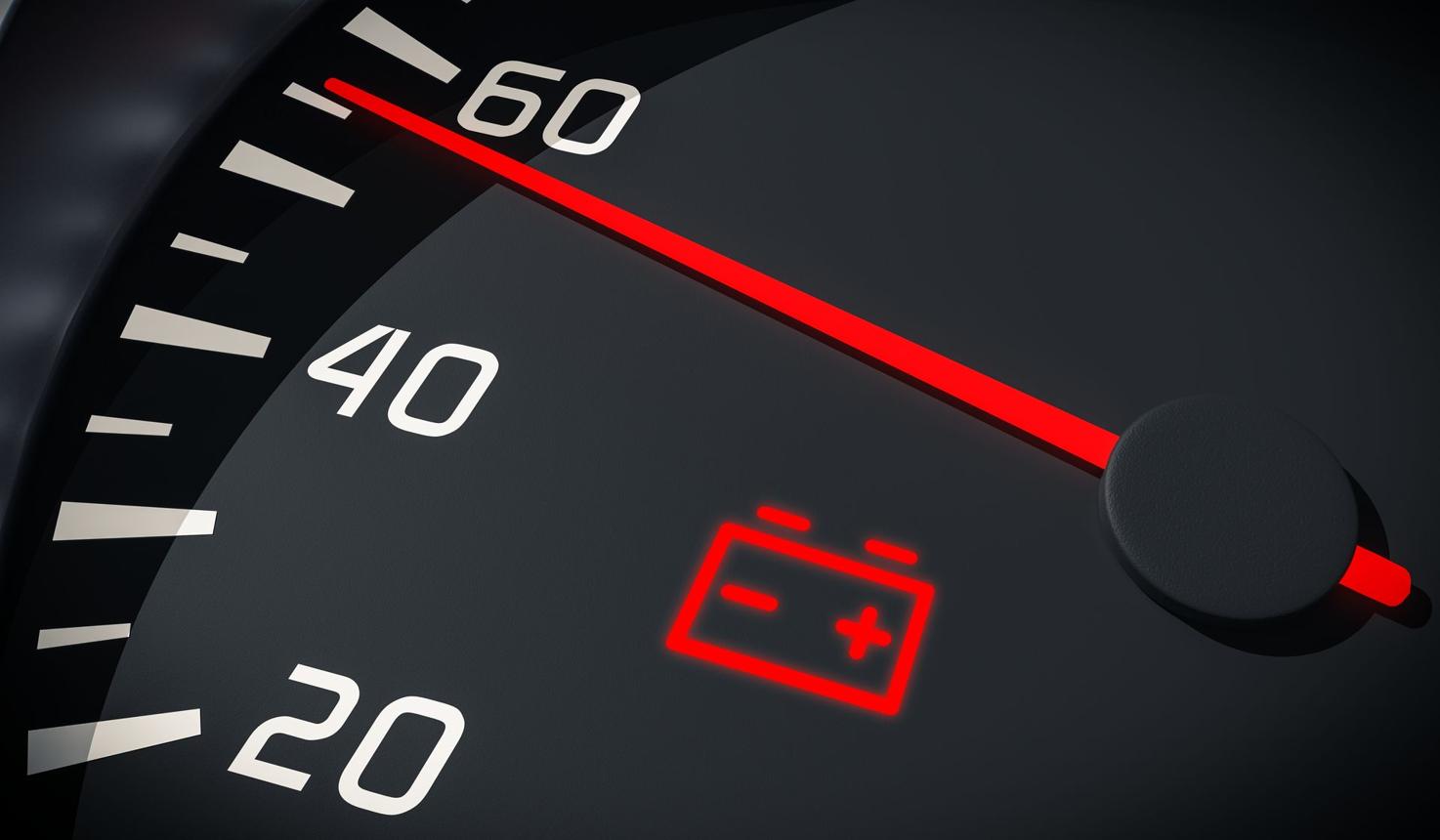
What to do: Note which accessories are affected and whether the issue occurs during starting, while idling or while driving. A professional can check battery condition, connections and the relevant electrical circuits.
8. Your car battery is several years old
Car batteries gradually lose capacity as they age. Their service life varies with battery type, climate, driving patterns, maintenance, vehicle electrical demands and how often the battery is deeply discharged.
A battery that has been in service for several years may deserve closer attention, particularly if starting performance has changed. Nevertheless, age alone does not prove that a battery has failed, and a relatively new battery can also develop problems.
What to do: Check the battery's age if known and arrange a condition test when appropriate. Testing can help you make an informed replacement decision before a starting problem becomes inconvenient.
9. The battery looks swollen, cracked or is leaking
Visible swelling, cracks, leaking fluid or unusual heat can indicate a damaged battery or another potentially hazardous condition. These signs should be taken seriously rather than treated as ordinary battery wear.
What to do: Do not touch leaking material, attempt to open the battery, or try to jump-start a visibly damaged battery. Keep people away from the area and contact a qualified professional for guidance. If there is smoke, a strong unusual odour or another immediate danger, move to a safe distance and contact the appropriate emergency service.
Battery problem or something else?
Several battery warning signs overlap with symptoms of other vehicle faults. A suitable diagnostic check helps distinguish between a battery that has lost capacity and problems elsewhere in the starting or charging system.
| Symptom | Possible explanations | What may need checking |
|---|---|---|
| Slow cranking | Weak battery, poor terminal connection or starter fault | Battery condition, terminals and starting circuit |
| Battery repeatedly goes flat | Ageing battery, charging fault or electrical drain | Battery, charging output and parked-vehicle current draw |
| Battery warning light stays on | Charging-system or wiring problem | Charging system, belt where applicable and electrical connections |
| Engine cranks normally but does not start | Possible fuel, ignition, engine-management or immobiliser issue | Appropriate engine and vehicle diagnostics |
| Battery is swollen or leaking | Physical damage or a potentially hazardous battery condition | Professional assessment without handling or jump-starting it |
A battery test may be combined with terminal inspection and charging-system checks, depending on the symptoms. This approach helps avoid replacing a battery when the underlying issue is elsewhere.
What to do when you notice battery warning signs
Record the symptoms. Note whether the engine cranks slowly, clicking occurs, lights dim or the battery repeatedly goes flat.
Pay attention to warning lights. A charging warning may point to a problem beyond the battery itself. Consult the owner's manual and arrange an appropriate check.
Arrange testing before replacing parts. A battery and charging-system assessment can help narrow down the cause.
Avoid repeated jump-starts as a long-term fix. Repeated failures deserve diagnosis, not just another boost.
Prioritise safety. Do not handle, charge or jump-start a visibly swollen, cracked or leaking battery. Seek professional assistance.
Related car battery services in Melbourne West
If your car is showing signs of a weak battery, Mobile Car Services can discuss suitable assistance based on your vehicle, location and service availability. Depending on the problem, the next step may be battery testing, a battery replacement or jump-start assistance.
Explore our battery testing service, car battery replacement service and jump-start assistance. You can also request a service to enquire about availability.
Frequently asked questions
What is the most common sign of a weak car battery?
Slow engine cranking is a common clue that a battery may be weak. However, poor electrical connections or a starter problem can produce similar symptoms, so testing is needed to confirm the cause.
Can a car battery fail without warning?
Yes. Some batteries fail suddenly or provide very little noticeable warning beforehand. Periodic testing can be useful as a battery ages, especially if starting performance changes.
Why does my car battery keep going flat?
Possible causes include an ageing battery, a charging-system fault, an electrical drain while parked or repeated short trips. Testing the battery and relevant vehicle systems helps identify the reason.
Does a battery warning light mean I need a new battery?
Not necessarily. A battery-shaped warning light may indicate a charging-system problem rather than a failed battery. Follow your vehicle manual and arrange professional checks before assuming the battery needs replacing.
Should I jump-start a swollen or leaking car battery?
No. Do not touch or jump-start a visibly swollen, cracked or leaking battery. Keep clear and seek professional assistance because a damaged battery may present a safety hazard.
When should I get my car battery tested?
Arrange a test if the engine starts slowly, the battery repeatedly goes flat, jump-starts become frequent or the battery is ageing. Seek prompt assessment if warning lights or other unusual electrical symptoms appear.
Need car battery assistance?
Call +61 467 037 886 or email mechanicnearyoubatteries@gmail.com to enquire about your vehicle and available services.
Symptoms are general indicators and do not establish a definitive diagnosis. Follow the vehicle manufacturer's instructions and seek qualified assistance where necessary.