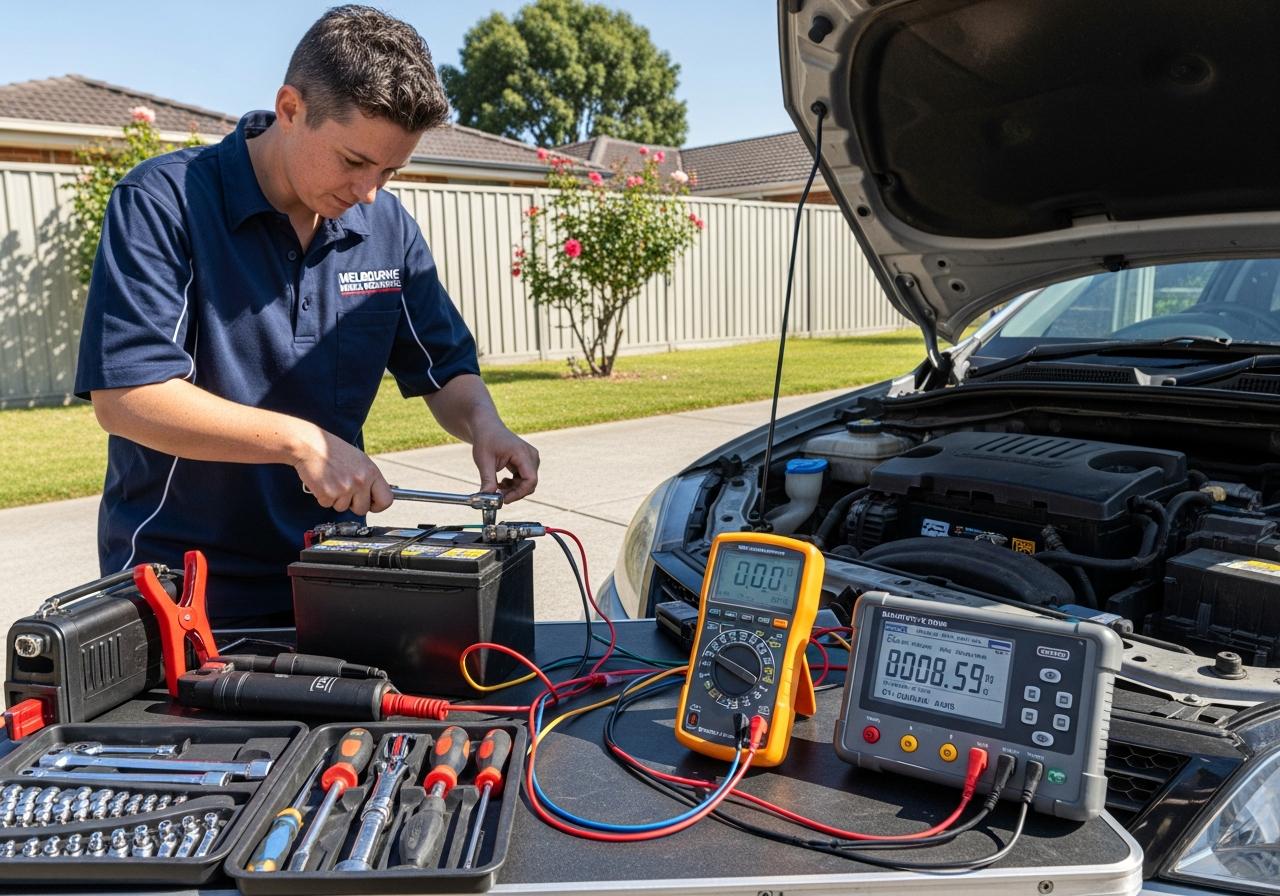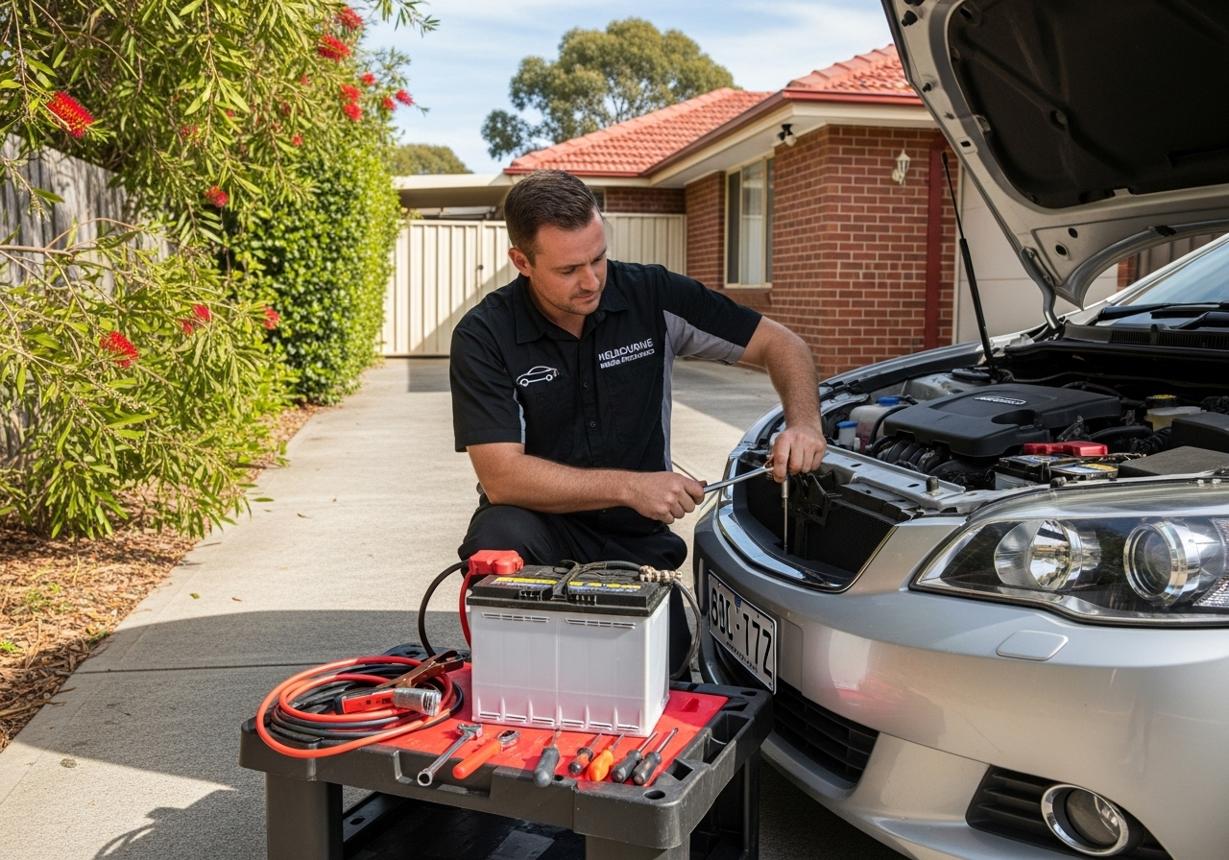
Most conventional car starter batteries last around three to five years, although some fail sooner and others last longer. The actual lifespan depends on battery technology, under-bonnet temperatures, driving patterns, charging-system condition and how often the battery becomes deeply discharged.
Melbourne's weather can expose vehicles to both warm conditions and cooler periods. Heat can accelerate battery ageing, while frequent short trips and long periods parked can leave a battery undercharged. Rather than replacing a battery based on age alone, look at its condition, starting performance and test results.
This guide explains how long car batteries typically last, why heat matters, which habits can shorten battery life, the warning signs to look for, and how to decide whether testing or replacement is the right next step.
Quick Guide: Battery Lifespan Factors
| Factor | How it can affect battery life | Practical response |
|---|---|---|
| Battery age and condition | Capacity and starting performance can decline over time. | Arrange testing as the battery ages or symptoms appear. |
| High temperatures | Heat can accelerate internal battery deterioration. | Keep the battery correctly installed and follow maintenance guidance. |
| Frequent short trips | The battery may not recover all the charge used during starting. | Monitor battery condition and investigate repeated discharge. |
| Long periods parked | Natural discharge and vehicle standby loads may lower charge. | Follow the manufacturer's storage and charging recommendations. |
| Charging-system problems | Undercharging or overcharging can affect battery health. | Have the charging system checked if problems recur. |
| Repeated deep discharge | Repeatedly allowing a battery to become deeply discharged can shorten its useful life. | Investigate why the battery keeps going flat. |
This table is a general guide. Battery lifespan varies by vehicle, battery type, installation conditions and usage, so no single age guarantees that a battery needs replacement.
How Long Should a Car Battery Last?
A broad planning estimate for many conventional 12-volt starter batteries is approximately three to five years. Actual service life varies, and some batteries fail earlier while others continue working beyond that range.
Different battery technologies and vehicle requirements can affect lifespan. Vehicles with stop-start systems, high electrical demands or specific battery-management requirements may use batteries such as EFB or AGM, which must be selected according to the manufacturer's specifications.
Battery age is useful context, but it should not be the only factor in a replacement decision. A relatively new battery can develop a fault, while an older battery may still perform adequately. Testing and symptoms provide more useful information about its current condition.
Why Heat Can Shorten Car Battery Life
High temperatures can accelerate chemical reactions inside a battery and contribute to faster deterioration. Heat beneath the bonnet can remain significant even when the outside temperature changes. A battery exposed to repeated hot conditions may gradually lose capacity, sometimes becoming noticeably weak when the driver first experiences slow cranking.
Heat is not the only cause of battery failure. Battery quality, vehicle design, installation location, charging voltage, maintenance and usage patterns also matter. A battery should not be declared faulty solely because the weather has been hot.
Signs that deserve attention
- The engine cranks more slowly than usual.
- The battery repeatedly loses charge.
- The vehicle needs jump-start assistance more than once.
- Electrical symptoms appear alongside starting difficulties.
- A battery or charging-system warning light appears.
These signs can have several causes. A battery test and, where appropriate, a charging-system check can help identify the problem.
Do Short Trips and Stop-Start Driving Matter?
Starting the engine uses electrical energy. Short journeys may not provide enough running time for the charging system to replace all the energy used during starting, particularly when the vehicle is driven frequently in traffic or multiple electrical accessories are operating.
Vehicles that remain parked for extended periods can also develop a low state of charge. Some vehicles continue to draw a small amount of power while switched off to support security systems, clocks and other electronics.
If most of your driving consists of short trips, monitor starting performance and consider periodic battery testing. Follow the manufacturer's guidance for charging and storage. Do not use an unsuitable charger or ignore a charging-system warning.
When Should You Test or Replace a Car Battery?
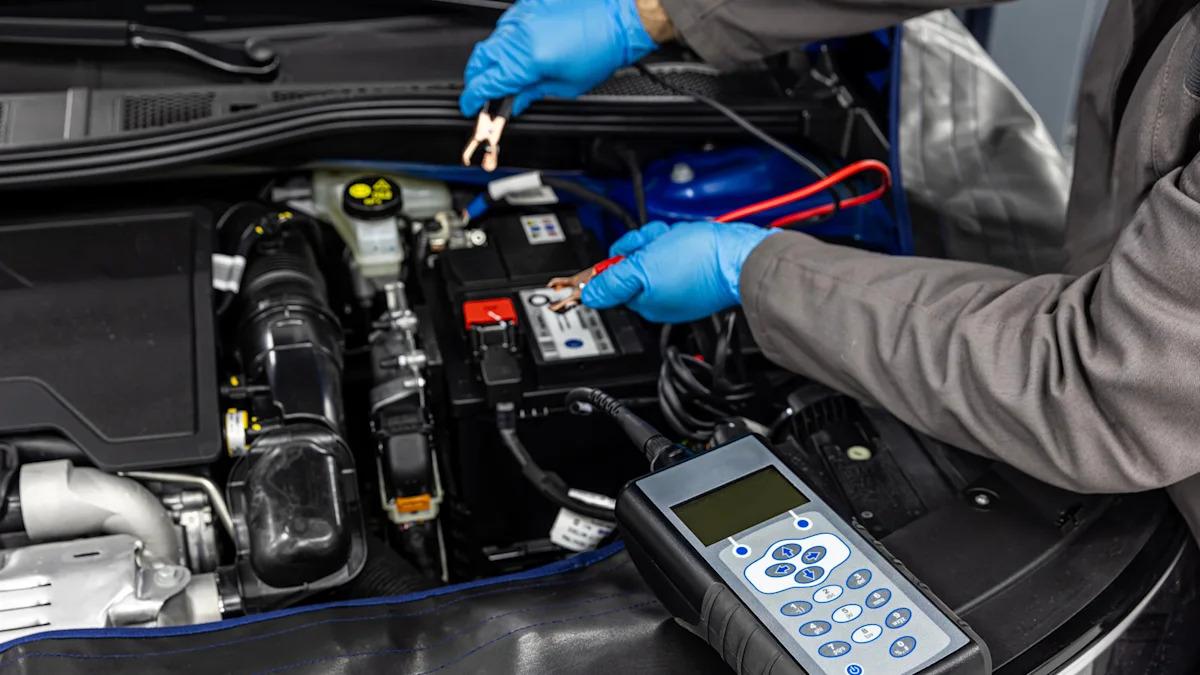
Arrange a battery test if the engine cranks slowly, the battery repeatedly goes flat, the vehicle needs jump-starts, or the battery or charging warning light appears. Testing may also be sensible as a battery gets older, particularly before a long journey or when starting performance changes.
Age alone does not prove that replacement is necessary. The decision should consider the battery's test results, physical condition, vehicle requirements and symptoms.
A battery that is discharged but still serviceable may need charging rather than replacement. A battery that fails testing, cannot reliably hold charge or has reached the end of its useful life may need replacing. If a replacement battery repeatedly goes flat, the charging system or an electrical drain may also need investigation.
Safety warning: Do not casually handle or jump-start a swollen, leaking, cracked or unusually hot battery. Stop and seek professional assistance.
How to Help a Car Battery Last Longer
Good battery care cannot prevent every failure, but a few practical habits can help you identify problems early and reduce avoidable strain.
- Keep connections in good condition. Have loose terminals, corrosion or damaged cables inspected and addressed safely.
- Investigate repeated flat-battery events. Do not rely on repeated jump-starts without finding out why the battery is losing charge.
- Follow manufacturer guidance. Use the recommended charging, storage and maintenance procedures for your vehicle and battery type.
- Check the charging system when needed. A warning light or a replacement battery that unexpectedly loses charge warrants further investigation.
- Arrange testing when symptoms appear. Slow cranking and repeated discharge can justify testing before the vehicle becomes stranded.
- Use suitable charging equipment. If charging is needed, ensure the equipment and procedure are appropriate for the battery technology and vehicle.
Never disconnect or work on battery connections without understanding the vehicle manufacturer's safety instructions. Modern vehicles may require specific procedures to protect electronic systems.
Battery Testing in Melbourne West
A battery test can help assess battery condition and identify whether low charge or deterioration may be contributing to starting problems. If the battery repeatedly loses charge, further checks may be needed to assess the charging system or investigate an electrical drain.
Mobile Car Services provides a brand-based way to enquire about mobile automotive assistance. Service suitability depends on the vehicle, location, required work and availability. Confirm coverage and appointment details before arranging assistance.
If your car is struggling to start, consider arranging car battery testing before deciding whether replacement is necessary.
Battery Testing, Replacement and Jump-Start Assistance
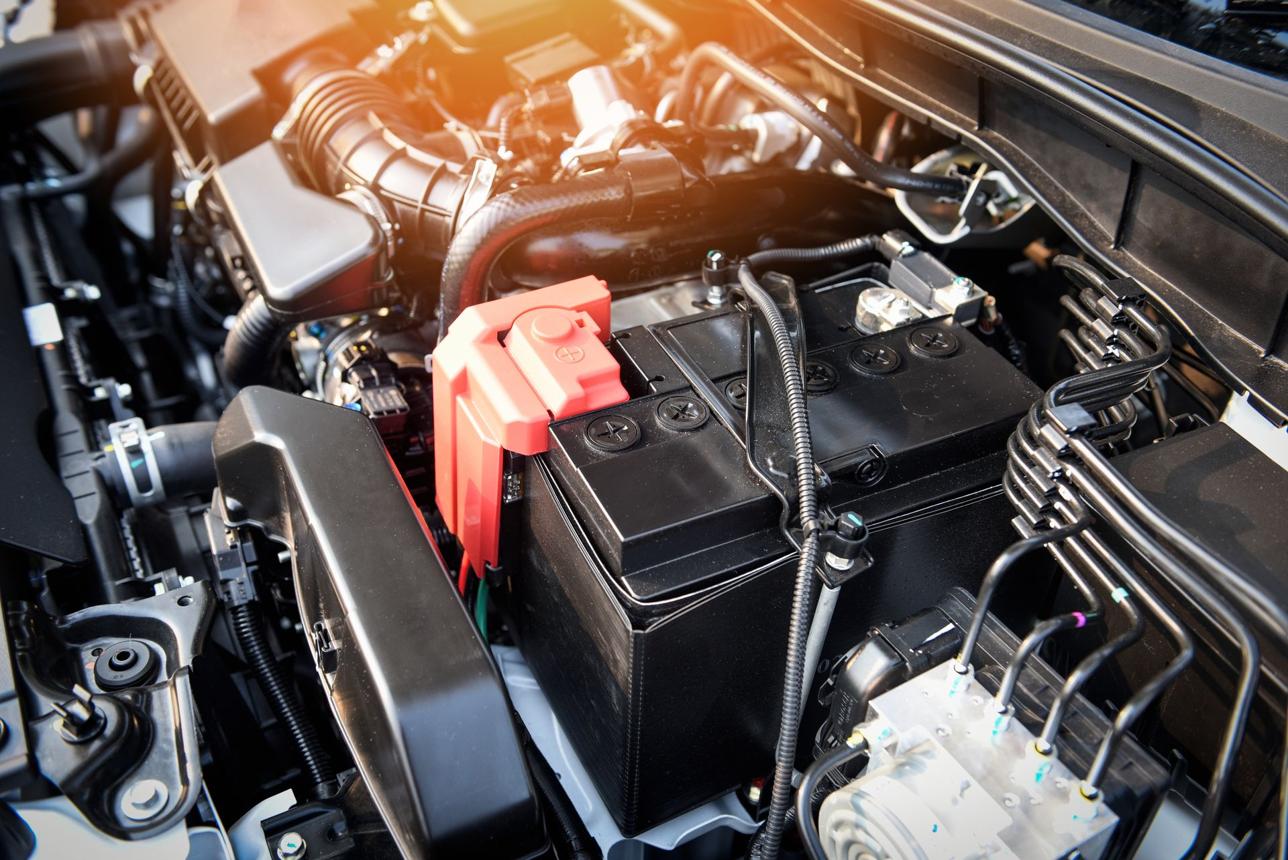
The right service depends on the cause of the problem. Testing can help determine whether the battery is weak, whether a connection needs attention, or whether further investigation of the charging system is appropriate.
| What you notice | Possible next step | Why it may help |
|---|---|---|
| Slow cranking or repeated starting difficulties | Battery testing | Helps assess battery condition before replacing parts. |
| Battery fails testing or cannot reliably hold charge | Battery replacement | Helps arrange a compatible replacement if required. |
| Vehicle will not start and the battery may be discharged | Jump-start assistance | May help when the vehicle and battery are suitable for jump-starting. |
| Battery repeatedly becomes flat after charging or replacement | Battery and charging-system assessment | Helps investigate charging faults or electrical drains. |
Mobile assistance may be convenient if your vehicle cannot be driven safely to a workshop. Availability, service coverage and vehicle suitability must be confirmed before a booking is accepted.
You can request a battery service to discuss your vehicle and confirm the available options.
Frequently Asked Questions
How many years does a car battery usually last?
Many conventional starter batteries last around three to five years, but actual life varies with battery type, heat, driving habits, charging condition and maintenance. Testing and symptoms help determine the battery's current condition.
Does Melbourne heat damage car batteries?
Heat can accelerate battery ageing, including heat under the bonnet. It is one factor among several, so testing is more reliable than assuming heat alone caused a failure.
Can short trips drain a car battery?
Repeated short trips may not give the charging system enough time to replace the energy used during starting. If the battery repeatedly becomes flat, arrange testing and investigate the cause.
Should I replace a car battery after three years?
Not automatically. Battery age is a reason to check its condition, but testing results, symptoms and the vehicle's requirements should guide the decision.
How do I know my battery is getting weak?
Slow cranking, repeated flat-battery incidents, jump-starts and some electrical symptoms can be clues. A proper battery test helps establish its condition.
Will driving recharge a flat battery?
Driving may restore some charge if the charging system works, but it may not fully recharge a deeply discharged or damaged battery. Test the battery and charging system if the problem repeats.
Need Car Battery Assistance in Melbourne West?
If your battery is getting older, your engine is cranking slowly, or the vehicle repeatedly needs a jump-start, testing can help you make a more informed decision about the next step.
Mobile Car Services is the brand for this mobile automotive service content. Provide your vehicle details, symptoms and location when enquiring so the relevant service requirements and availability can be reviewed.
- Battery testing: Explore battery testing
- Battery replacement: Explore battery replacement
- Jump-start assistance: Explore jump-start assistance
- Booking: Request a service
Battery lifespan estimates are general guidance, not a guarantee. Follow your vehicle manufacturer's instructions and seek qualified assistance if the battery is damaged or the starting problem persists.